Panama City surprises most first-time visitors. They arrive expecting a transit hub and find a genuinely world-class destination: UNESCO-listed colonial architecture, a skyline that rivals Miami, Pacific beaches 45 minutes from downtown, and a food scene that punches well above what the country’s size would suggest.
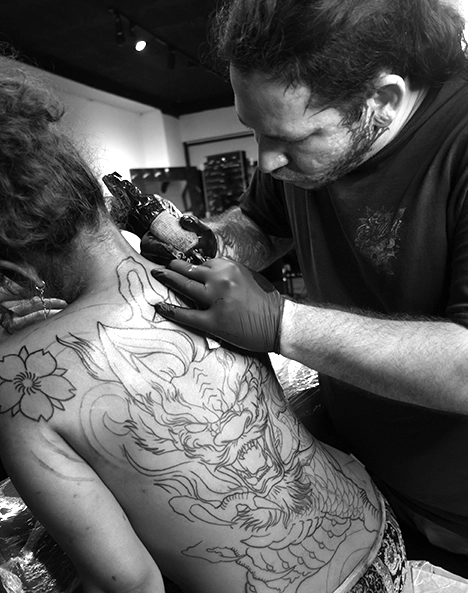
At Pangea Ink, we’ve been hosting international clients for years. Here’s our honest guide to the city — the places we actually send our clients, not the tourist-trap version.
Casco Viejo: Where Pangea Ink Lives
Our studio is in Casco Viejo, the old colonial quarter of Panama City and a UNESCO World Heritage Site. It’s the neighborhood you didn’t know Panama had — cobblestone streets, 17th-century churches, rooftop bars overlooking the Bay of Panama, and buildings that are simultaneously crumbling and magnificent.
What to do in Casco:
- Plaza de Francia — the old French quarter at the tip of the peninsula, with views across the bay toward Taboga Island. Best at golden hour.
- Mercado de Mariscos — 5 minutes from Casco, this open-air seafood market serves ceviche so fresh it barely needs seasoning. Order the mixed ceviche and a cold beer. One of the best $5 meals in Central America.
- Tantalo Rooftop — the most iconic bar in Casco, with views of the bay and the modern city skyline. Book a table, not walk-in, on weekends.
- Primitivo Coffee — hidden in a restored colonial building, this specialty coffee shop is where the Casco creative community congregates. Perfect pre-session fuel.
- Barrio Bolívar — the quieter residential streets of Casco where artists and expats have moved in. The murals alone are worth an hour of wandering.
El Cangrejo and Marbella: Where to Stay and Eat Well
If Casco is where you explore, El Cangrejo is where you live. It’s a comfortable, walkable neighborhood with every type of restaurant, good hotels at reasonable prices, and easy access to the rest of the city.
- Donde José — if you can get a reservation, go. Chef José Carles runs a small-format tasting menu that has become Panama’s most talked-about restaurant. Book weeks in advance.
- Donde Liddy — the opposite of Donde José: a no-frills, open-air comida típica spot that has been feeding Panamanians for decades. Get the ropa vieja.
- Nikos Café — open 24 hours, excellent for a late-night post-session meal when your appetite comes back. Greek-Panamanian fusion that sounds strange and works perfectly.
The Causeway and the Pacific Side
The Amador Causeway connects three small islands to the mainland, with views of the Canal entrance on one side and the Bay of Panama on the other. Rent a bike and ride the whole length at sunset — it’s one of those experiences that makes people understand why Panama is worth the trip.
Beyond the Causeway, ask us about Playa Bonita — a hotel beach 20 minutes from downtown that’s accessible to non-guests with a day pass. Clean Pacific water, sunbeds, a beach bar. Excellent for recovery days between sessions when you need salt water and sun (just keep fresh tattoos covered and dry).
The Miraflores Locks: Yes, It’s Worth It
Everyone says go to the Canal locks, and everyone is right. The Miraflores visitor center is 20 minutes from downtown, well organized, and watching a Panamax container ship squeeze through the locks is something that doesn’t get old. Go in the morning when the light is best and ships are moving.
Day Trip: Taboga Island
A 40-minute ferry from the Balboa pier takes you to Isla Taboga — a car-free island with colonial churches, hibiscus-covered hillsides, and calm Pacific water. If you have a rest day between sessions and want to fully disconnect, this is the move. The ferry runs a few times daily; the round trip costs around $20.
What We Tell Every Client
Most people allocate 4–6 days for a tattoo trip. Our advice: don’t try to see everything. Pick 3–4 experiences and do them properly. Eat well between sessions. Sleep. Let your body recover. The tattoo process is physically demanding, and Panama City will be here every time you come back — and our clients almost always come back.